
Culture desk
What Tattoos and Self Expression Mean After Rebellion Goes Mainstream
Tattoos and self expression did not disappear when tattooing became mainstream. The signal got more complicated, more private, and harder to judge from the outside.
Tattoos and self expression still belong together in 2026 because people use tattoos to hold memory, identity, grief, humor, beauty, belonging, and control on the body. Mainstream acceptance changed how tattoos are read from the outside, but it did not erase what they can mean to the person wearing them.
The old shortcut was easy: tattoo equals rebellion. That shortcut was never the whole truth, but at least it gave outsiders a quick story. Now the story is harder. A tattoo can be fashion, memorial, flirtation, armor, joke, prayer, souvenir, or a private sentence written where the wearer can keep returning to it.
That is the cultural shift worth taking seriously. Once the look becomes common, the meaning does not vanish. It moves closer to the person.
Key takeaways
Tattooing becoming mainstream did not make tattoos meaningless. It made meaning more private and harder to judge from the outside.
Tattoos and self expression now sit between personal identity, social media taste, family memory, grief, humor, and style culture.
The artist still matters because the room can protect the story from becoming decoration.
The 2026 trend conversation matters, but the better read is human: style can travel fast while the reason for the tattoo stays personal.
When rebellion becomes decoration
The first lazy take is that tattoos lost their soul when everybody got one. You hear that version in different rooms. Too many fine line pieces. Too many hand tattoos. Too many tiny words. Too many people who never had to fight for the right to be seen that way. The complaint is not always wrong, but it is too easy.
Culture never stays pure by standing still. Punk got sold back to the mall. Hip hop became the sound of commercials. Skate style moved from curbs to luxury windows. Tattooing was never going to remain outside the market forever. The question is what tattoos and self expression mean after the market learns the shapes.
Allure's 2026 tattoo trend reporting opens from the same place artists are already living in: tattooing is widely accepted as personal expression, and this year's visual language is nostalgic, romantic, detailed, and deeply tied to the person wearing it. That matters because the cultural question is no longer whether tattooing is mainstream. It is what survives once the mainstream has learned the look.
That does not make tattoos and self expression fake. It makes the signal less automatic. A tattoo no longer guarantees rebellion. It may mean the person wanted beauty. It may mean they survived something. It may mean they liked the design. It may mean they wanted to feel less like a visitor in their own skin. The same object can be shallow on one person and loaded on another.
Once a symbol becomes common, the outside world loses easy access to its meaning. That does not mean the person wearing it lost the meaning.
The mainstream did not kill tattoos and self expression. It removed the cheap shortcut. You cannot look at ink and instantly know the story anymore, if you ever could. You have to ask better questions, or accept that the story is not yours.
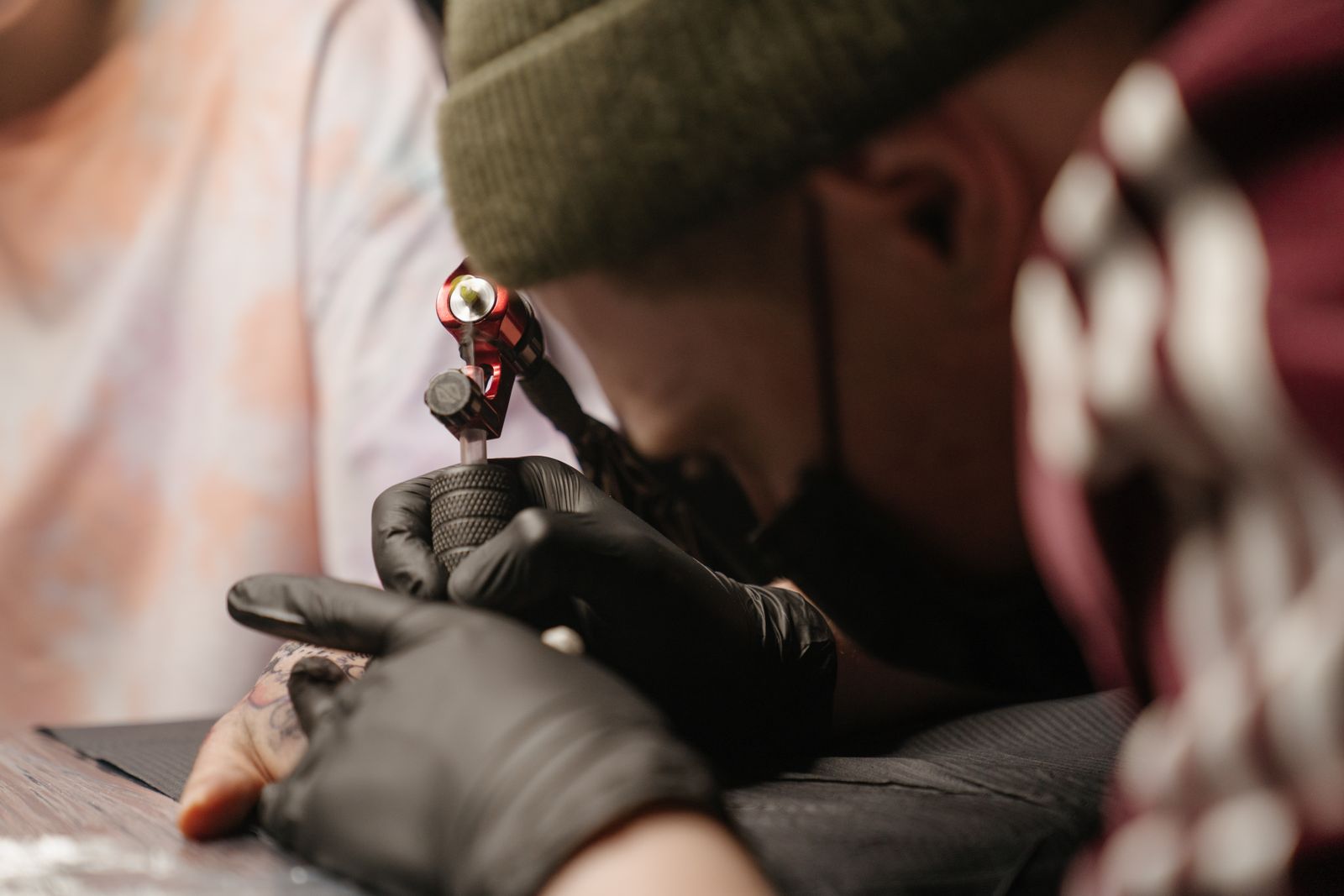
The body keeps the receipt
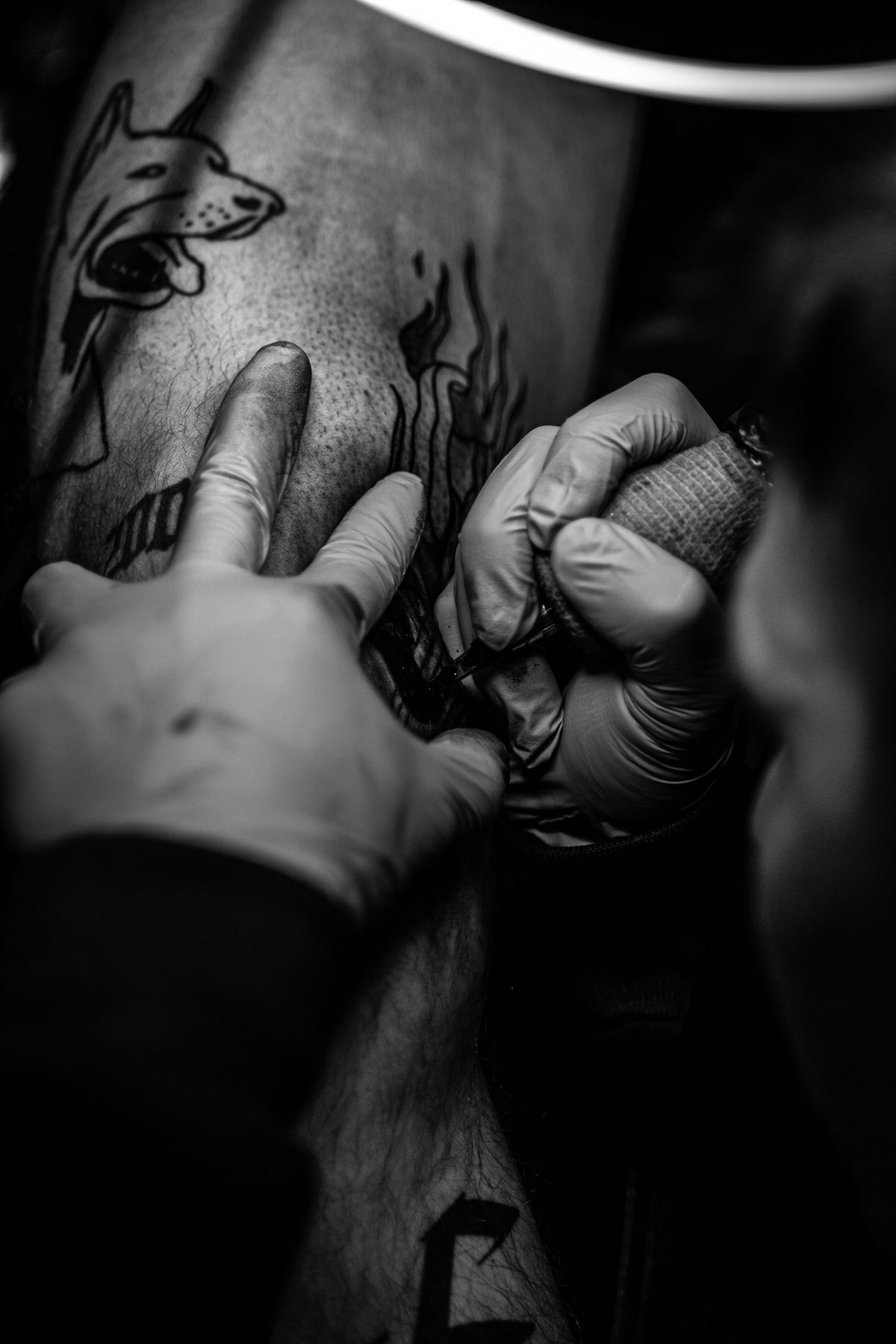
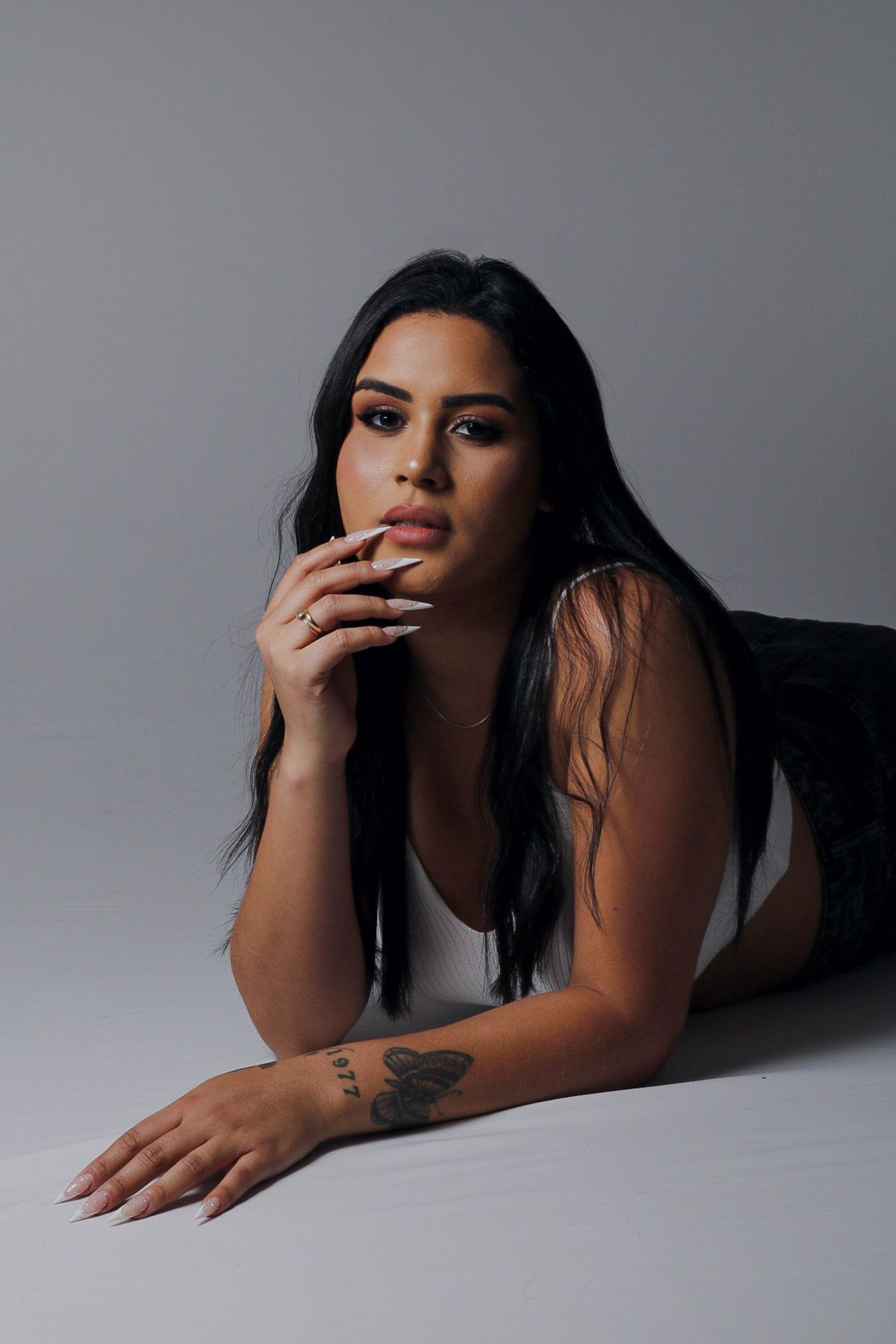
The best argument for tattoos and self expression is not the loudest one. It is the quiet person who points to a name, a date, a flower, a piece of script, a badly healed first tattoo, or a symbol that looks simple until you hear the story.
A tattoo can be a record of a friend. A marker after a divorce. A joke between siblings. A prayer. A warning. A dare. A map of a city left behind. A tiny piece of beauty placed where someone needed control. That range is why tattoo culture cannot be reduced to rebellion or fashion, even when both are present.
The outside read is usually too quick. A stranger sees placement, trend, line weight, color, and cost. The person wearing it may be carrying a year they barely survived, a private joke that kept them close to someone, or a version of themselves they had to build after the old one stopped fitting.
That is where tattoos and self expression get more interesting than the argument about whether ink is still rebellious. Rebellion is only one language. Memory is another. Beauty is another. Control is another. Sometimes the tattoo is not trying to shock anybody. Sometimes it is trying to make the body feel claimed again.
History helps here. Tattooing has moved through ritual, punishment, status, spirituality, travel, labor, military life, prison culture, fashion, grief, and art. The meanings have never been one thing. In 2026, that old range is still colliding with what artists see in the chair now, including the nostalgia, symbolism, and personal placement trends tracked in Tatloc's 2026 trend overview.
Tattoos and self expression are strongest when they admit contradiction. A piece can be beautiful and sad. It can be fashionable and sincere. It can be copied from a trend and later become attached to a real period in someone's life. The culture loves clean categories, but skin is messier than that.
That mess is part of the point. People do not live as one clean brand sentence. They change, lose people, leave cities, get sober, get reckless, fall in love, regret things, repair things, and sometimes ask an artist to make one moment stay still.
In 2026, the most honest tattoo culture writing has to leave room for that instability. A tattoo can enter the appointment as a trend reference and leave the shop as a marker of a particular day, a particular body, and a particular decision that will not feel exactly the same five years from now.
Field note
Meaning is not always visible.The outside world sees a design first. The wearer may feel a person, a place, a promise, a mistake, or a version of themselves they are trying to keep alive. For artists, that is also why a stronger tattoo artist consultation process matters before the design ever becomes public.
- Ask what the tattoo holds, not what it proves.
- Do not treat style as the opposite of meaning.
- Let the wearer own the story.
- Remember that privacy can still be expression.
The performance problem
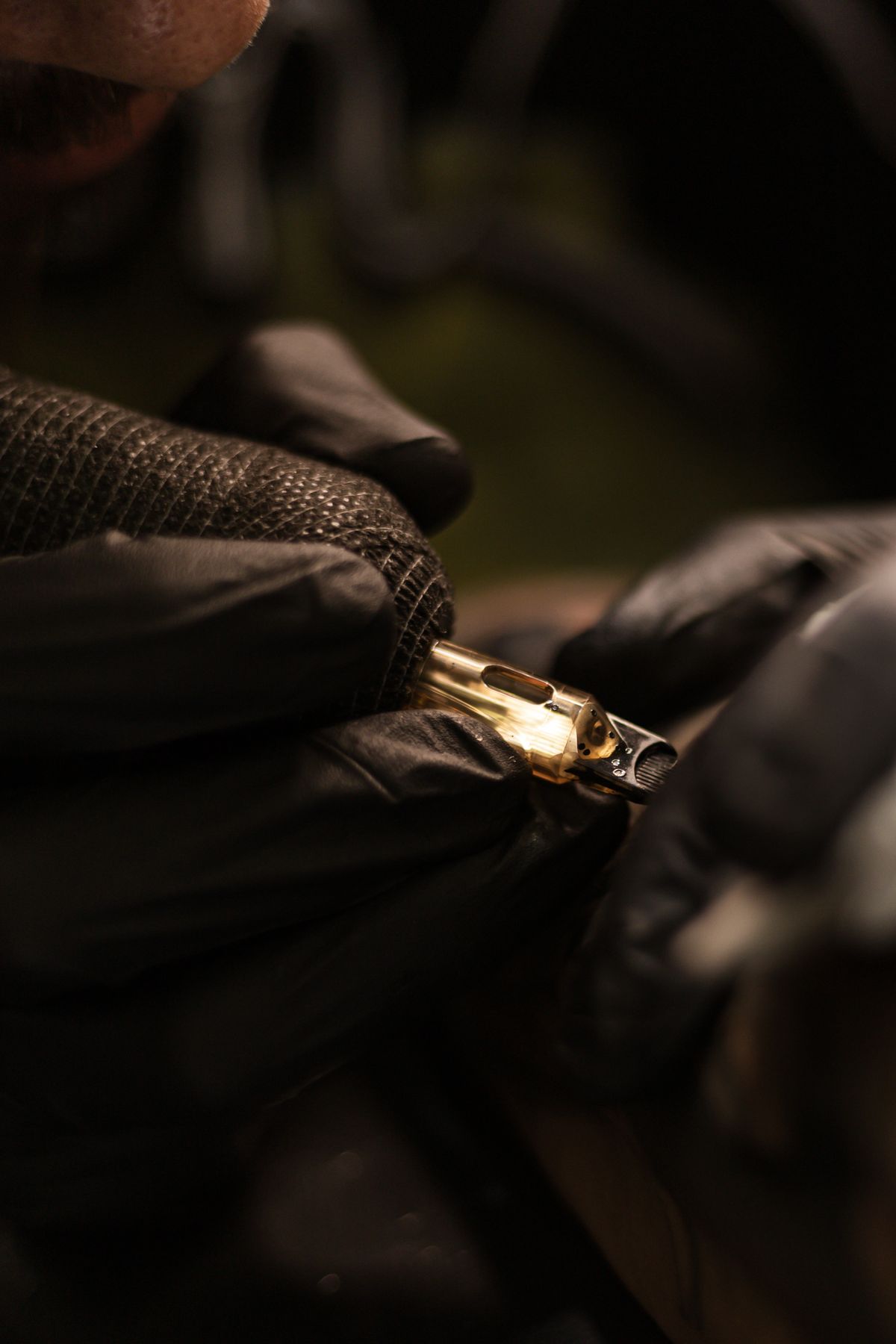
Social media did something strange to tattoos and self expression. It gave artists a global window, helped clients find styles they never would have seen, and made small shops visible far beyond their block. It also trained people to read tattoos as content before they read them as marks on a living person.
A tattoo that took years of grief to reach can become a three second scroll. A sleeve built slowly over time can be judged as an aesthetic. A flash piece can be copied, flattened, reposted, and stripped of the room where it happened. That does not make the tattoo less real. It makes the public reading more careless.
That careless reading is why a culture piece cannot stop at trend names. Allure's 2026 trend list, American Tattoo Society's 2026 trend notes, and Tatloc's 2026 trend overview all point toward personalization, nostalgia, negative space, micro detail, patchwork collecting, and custom work. Those are useful signals, but they are not the whole story. The human part is what someone does with the trend once it touches skin.
When a client approves sharing, a thoughtful caption can explain style, placement, healed expectations, or process without exposing the private story.
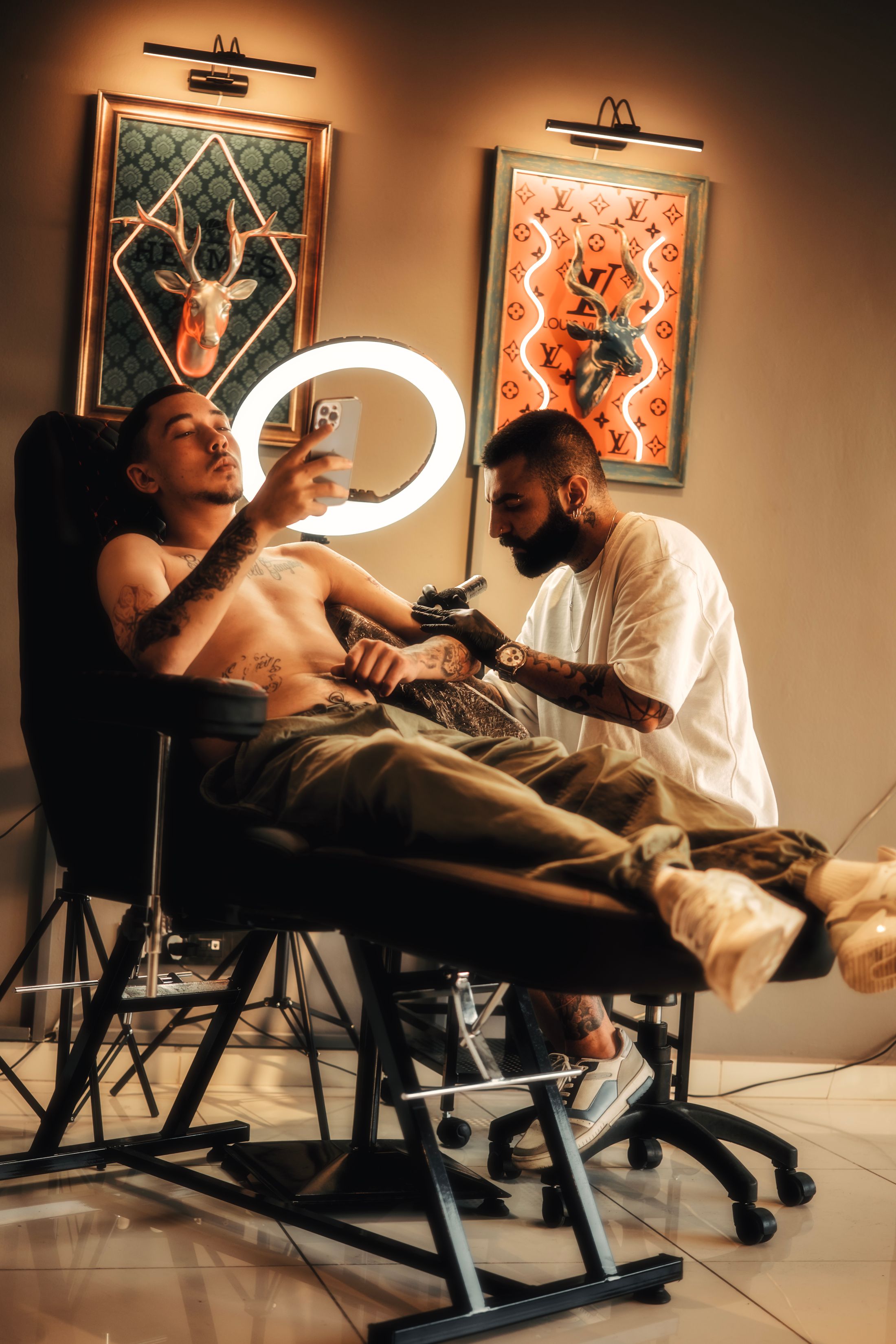
The tension is obvious at conventions too. A show like the New York Empire State Tattoo Expo is a public stage for tattooing, but the best moments are still human scale. The client breathing through a tough spot. The artist wiping down a station. The friend watching from the side. The piece is public, but the room still has intimacy.
This is where tattoos and self expression can feel misunderstood. A person may want the tattoo seen without wanting the whole story consumed. Visibility is not the same as access. Style is not consent for strangers to decide the meaning.
What the artist protects
Artists sit in the narrow space between image and person. They hear the reason before the feed sees the result. They know when the client is nervous, when the reference is only a starting point, when the memorial piece needs quiet, and when the design has to be talked down because it will not age the way the client imagines.
That is why tattoos and self expression are not only about the final image. They are also about consultation, trust, translation, and refusal. A good artist protects the client from bad design decisions, but also from losing the emotional center of the piece.
"The job is not to make every idea bigger. Sometimes the job is to keep the honest part from getting buried."Dave from Bzzz Mag
The same is true in flash culture. In our guide on how to run a tattoo flash day, the point is not only speed or sales. Flash events work when the room has rules, but still leaves space for people to find something that feels like theirs. Even repeatable designs can become personal once they land on a body.
Shops also shape the meaning by how they welcome people. The front desk, the waiting area, the aftercare explanation, the payment moment, the way the artist talks through placement, all of it changes how safe someone feels bringing a personal idea into public. That is why front desk culture belongs in the same conversation as art.
Good tattooing is not therapy, and artists should not be asked to become therapists. But tattoo rooms do hold emotional material. Anyone who pretends otherwise has not spent enough time listening to why people get tattooed.
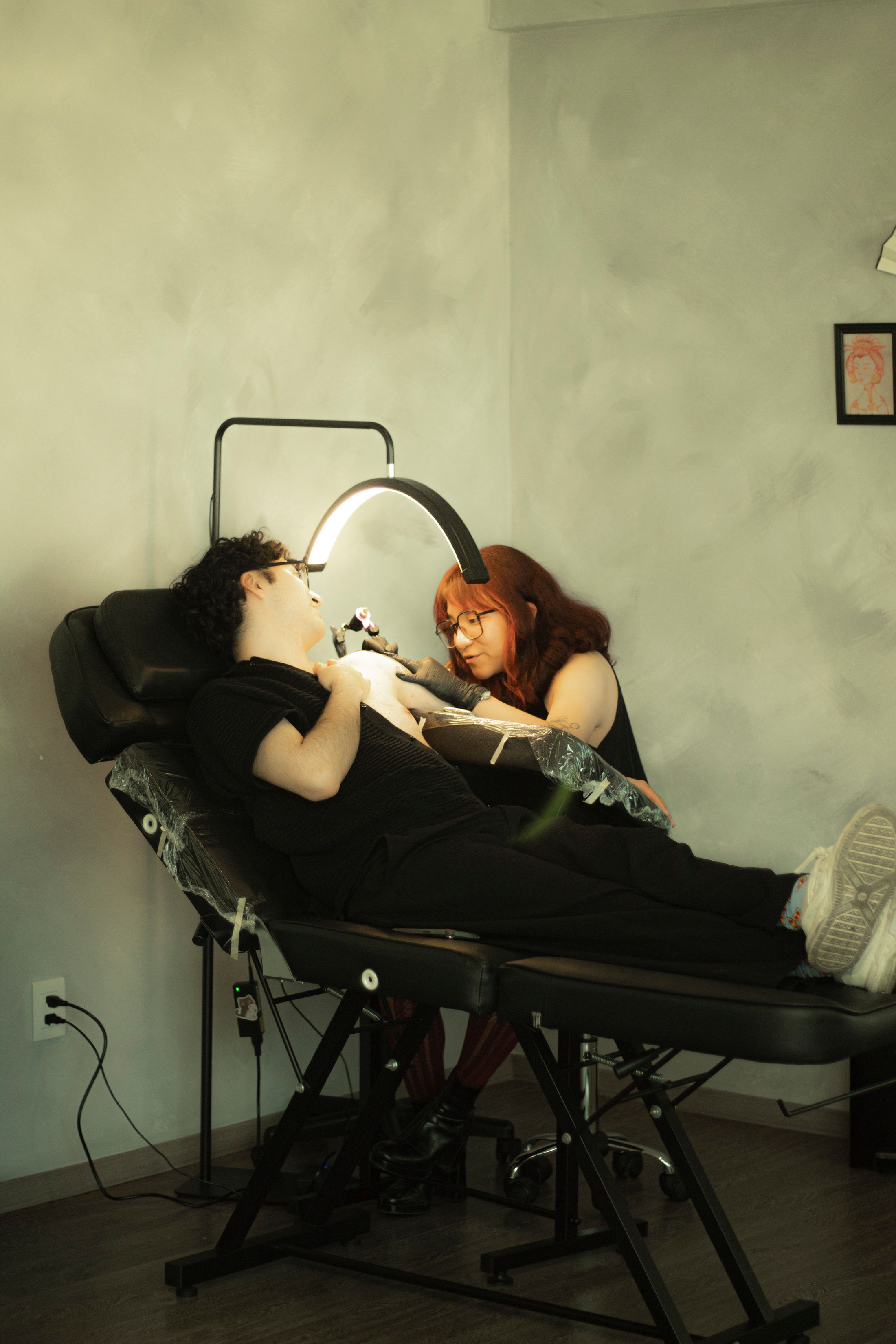
What tattoos and self expression survive
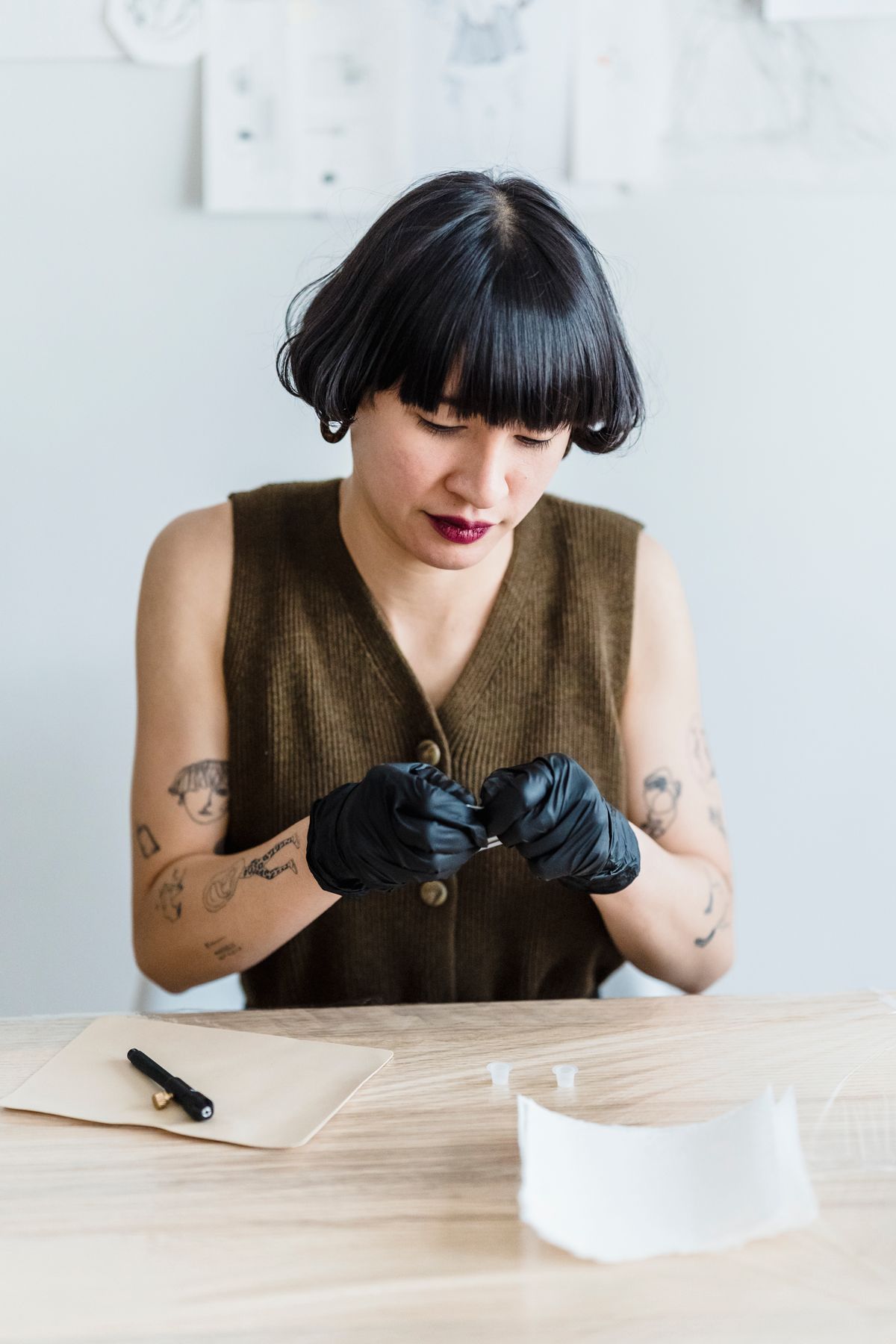
Trend cycles are brutal because they age faster than bodies do. A placement gets hot. A style floods the feed. A certain kind of script appears everywhere. Then the culture turns, and people pretend the last wave was embarrassing. Tattoos make that cycle harder because the evidence stays.
That permanence is why tattoos and self expression still matter after mainstream acceptance. Clothing can be changed. A profile can be cleaned up. A tattoo asks the wearer to keep living with a choice, even when the world changes its taste around it.
This does not mean every tattoo needs a heavy story. Some tattoos are allowed to be funny. Some are allowed to be decorative. Some are allowed to be young. The mistake is thinking decoration cannot become memory. A person can get a small design because it looks good, then later remember the exact apartment, friendship, breakup, summer, or shop where it happened.
Current 2026 tattoo trend coverage keeps circling back to the same tension: people want work that feels personal, but the internet turns every personal look into a repeatable aesthetic. American Tattoo Society's 2026 trend report frames custom work and long term quality as the better answer to that pressure. That is the useful read for artists. The trend can start the conversation, but the tattoo has to survive after the trend is tired.
The future of tattoos and self expression probably looks less like one rebellion and more like many small languages at once. Some loud. Some private. Some commercial. Some sacred. Some silly. Some badly done and still loved. Some perfect and still regretted. That is not a loss of culture. That is culture acting like people actually act.
The better question is not whether a tattoo is deep enough to impress anybody. It is whether the person wearing it can live with the mark honestly after the first rush fades, after the comments stop, after the photo falls down the feed, and after the culture moves on to the next look.
Some marks keep getting heavier. Some get funnier. Some become proof of a phase the wearer no longer wants to hide. Some stay decorative and still matter because decoration is one way people claim pleasure, confidence, and control over a body that has been judged by other people for too long.
Video
The story is in the room, not just the reveal
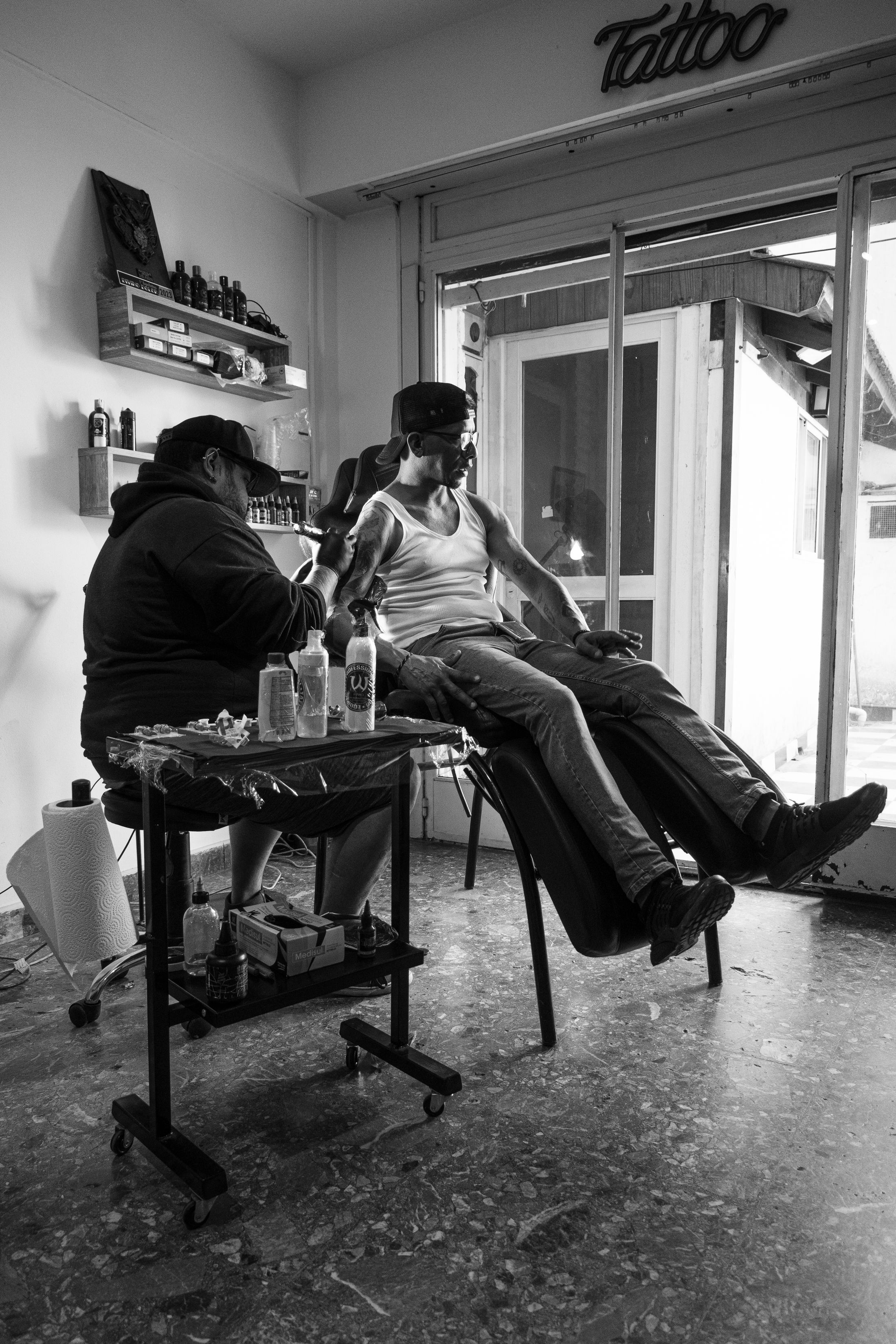
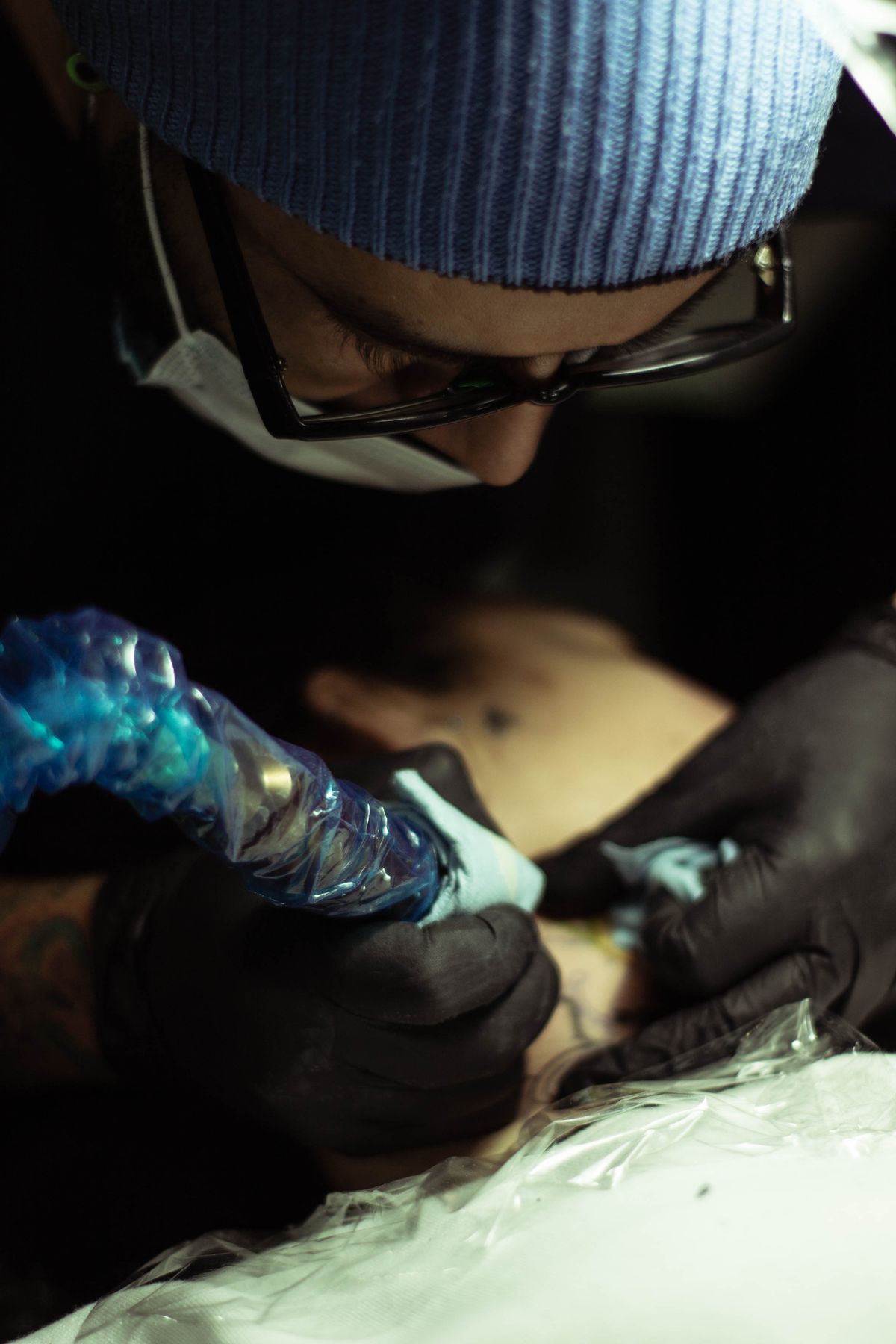
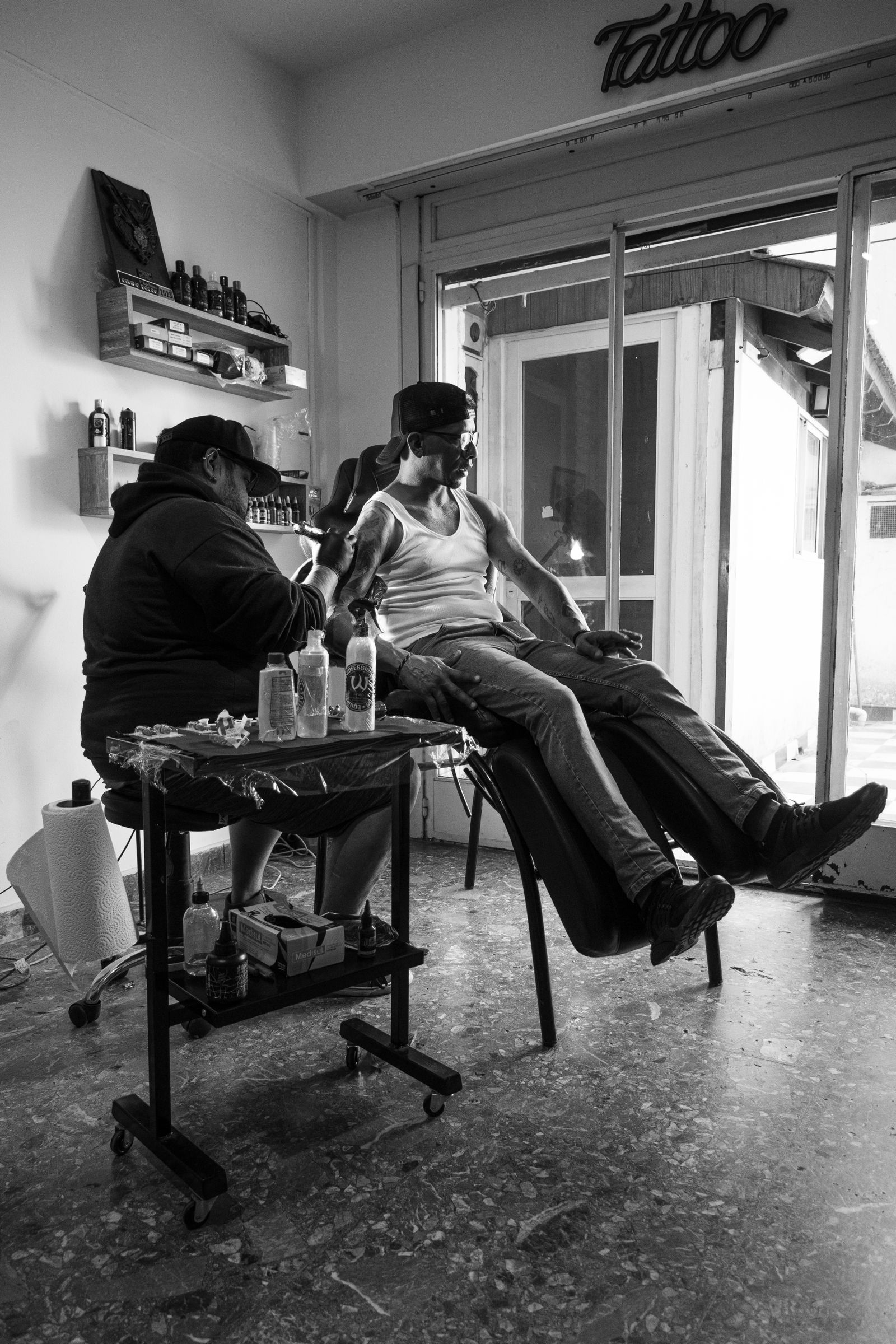
A finished tattoo photo can make the whole thing look clean and instant. The better story is slower. It is the hand hovering before the line starts, the wipe, the breath, the small talk, the client trying not to move, and the artist carrying somebody's idea into skin without making a spectacle of it.
That is why interview driven tattoo videos matter here. Skin Deep's tattoo stories channel keeps the person close to the work, which is exactly where tattoos and self expression become more than a trend image.
 Watch tattoo stories
Source trail
Sources and related reading
These sources frame the 2026 conversation around tattoos, identity, style, and the way public culture reads marks on skin.
FAQ
Quick answers
Are tattoos still self expression?
Yes. Tattoos and self expression still belong together because people use tattoos to hold identity, grief, humor, beauty, memory, and belonging on the body.
Did tattoos lose meaning when they became mainstream?
No. Mainstream acceptance made the signal less automatic, but it did not remove private meaning from the person wearing the tattoo.
Can a decorative tattoo still mean something?
Yes. Decoration and meaning are not opposites. A tattoo can begin as style and become attached to a time, place, person, or version of the wearer.
Why should artists care about this conversation?
Artists help translate personal meaning into a design that can live on skin. The better the room handles that story, the stronger the tattoo becomes.