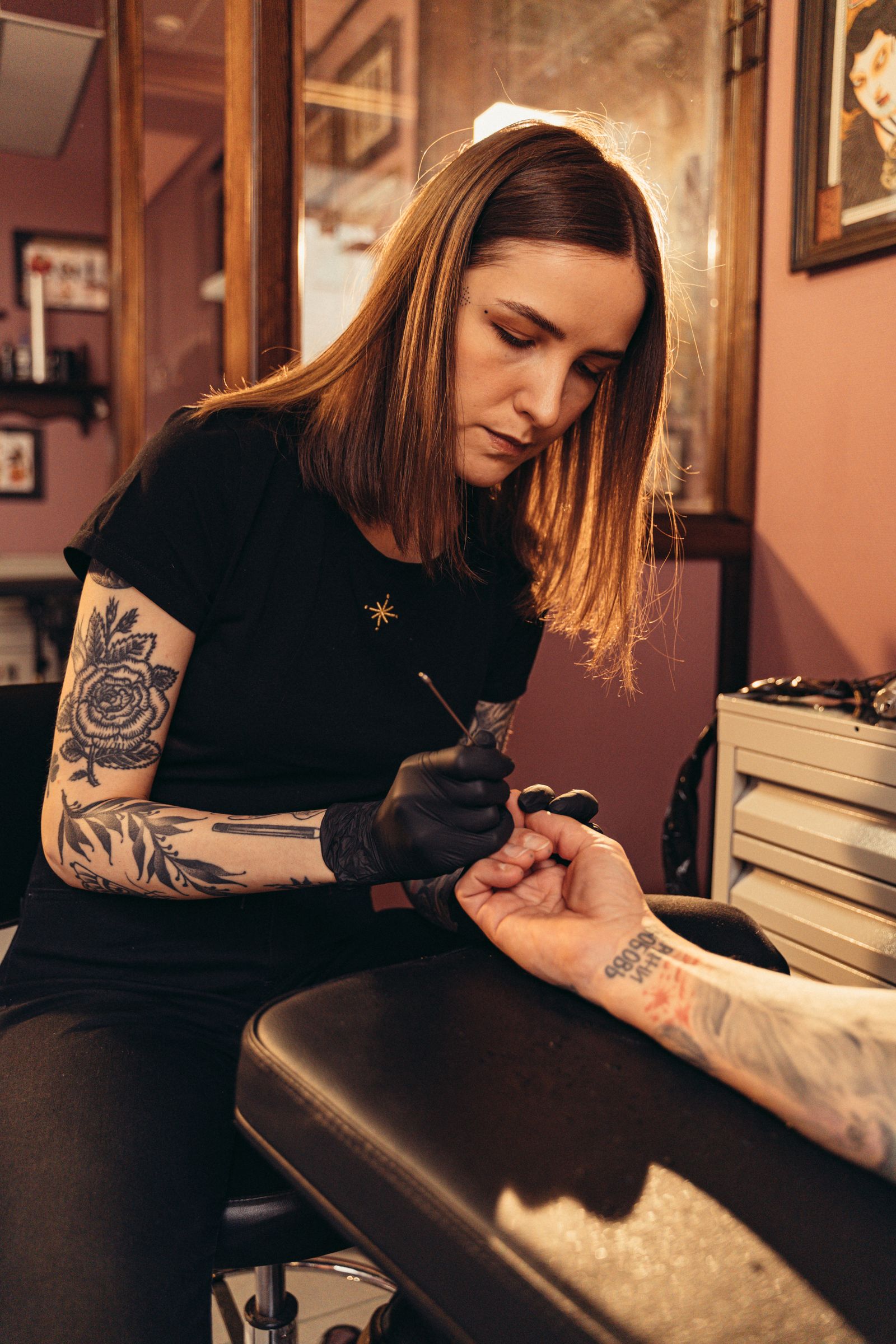
The tattoo artist consultation process should begin before the client sits down. Intake filters the idea, timeline, placement, and budget before the calendar gets clogged.
 BZZZ.INK
Bzzz.ink Mag
Practical Guide / Bzzz.ink Mag
Practical guide
Tattoo Artist Consultation Process for Prepared Clients
How tattoo artists can run better consultations so clients show up prepared, the design brief gets clearer, and the appointment wastes less time.
A strong tattoo artist consultation process turns a client idea into usable shop decisions before drawing starts. It confirms the concept, placement, size, style, references, skin context, budget, booking terms, and follow up notes so the artist is not guessing on tattoo day.

Key Takeaways
Good consultations produce decisions. Weak consultations produce pleasant conversations that still leave the artist guessing later.
References should reveal taste, not become a request to copy another artist. The artist has to translate the reference into original direction.
The consult is not finished until the client receives a clear written summary, deposit terms, appointment expectations, and next steps.
Step 01
Build the tattoo artist consultation process before the room
The tattoo artist consultation process starts when the first request lands, not when the client sits down. That request might come through a booking form, a direct message, an email, a phone call, or a front desk note. If the shop accepts every loose idea as ready for a full consult, the artist loses the first half of the appointment just trying to find the starting line.
A useful tattoo artist consultation process intake asks for the subject, rough placement, approximate size, style direction, color preference, budget comfort, timeline, and a few references. It should also ask whether the client has scars, coverup needs, skin concerns, travel limits, scheduling limits, or anything else that affects the plan. The point is not to make the client do the artist's job. The point is to protect the artist's job from missing information.
For a busy artist, the intake filter protects drawing time. For a studio owner, it protects the calendar. For the client, it prevents a confusing appointment where the artist keeps asking basic questions that could have been answered earlier.
Pro tip
Do not book a vague idea into a detailed consult.
Use intake to decide whether the client is ready for the tattoo artist consultation process, needs a quick clarification first, or should be redirected because the request does not fit the artist.
The best intake forms sound human. They ask clear questions without acting like a medical packet or a corporate ticket system. A useful form might say, where on the body do you want this, how large are you imagining it, what kind of references help explain the feeling, and is there anything about the skin or placement the artist should know before the consult.
That safety context matters. The FDA tattoo safety guide explains that tattoos can involve infection, allergic reaction, and other risks. MedlinePlus body art information gives clients basic health context. A magazine article does not replace local law, required training, consent policy, or studio procedure, but a consultation should make room for anything that affects placement, timing, healing, or whether the appointment should happen at all.
Internal process also matters in the tattoo artist consultation process. Bzzz.ink has already covered why the tattoo shop front desk can make or break the client path. The same idea applies here. If the person collecting the request does not know what the artist needs, the consultation starts with cleanup instead of direction. The same admin clarity shows up in consent, ID, and aftercare records when shops keep client information organized before the appointment.
Artists should also decide what is not tattoo artist consultation process material. A client who wants broad education about every possible style may need a shorter discovery answer first. A client who wants a coverup may need photos, healed tattoo history, and a realistic conversation about what can be hidden. A client asking for a large piece may need a longer appointment than the booking form suggests. Sorting those cases before the room keeps the consult from becoming a rescue mission.
Step 02
Ask questions that turn taste into decisions
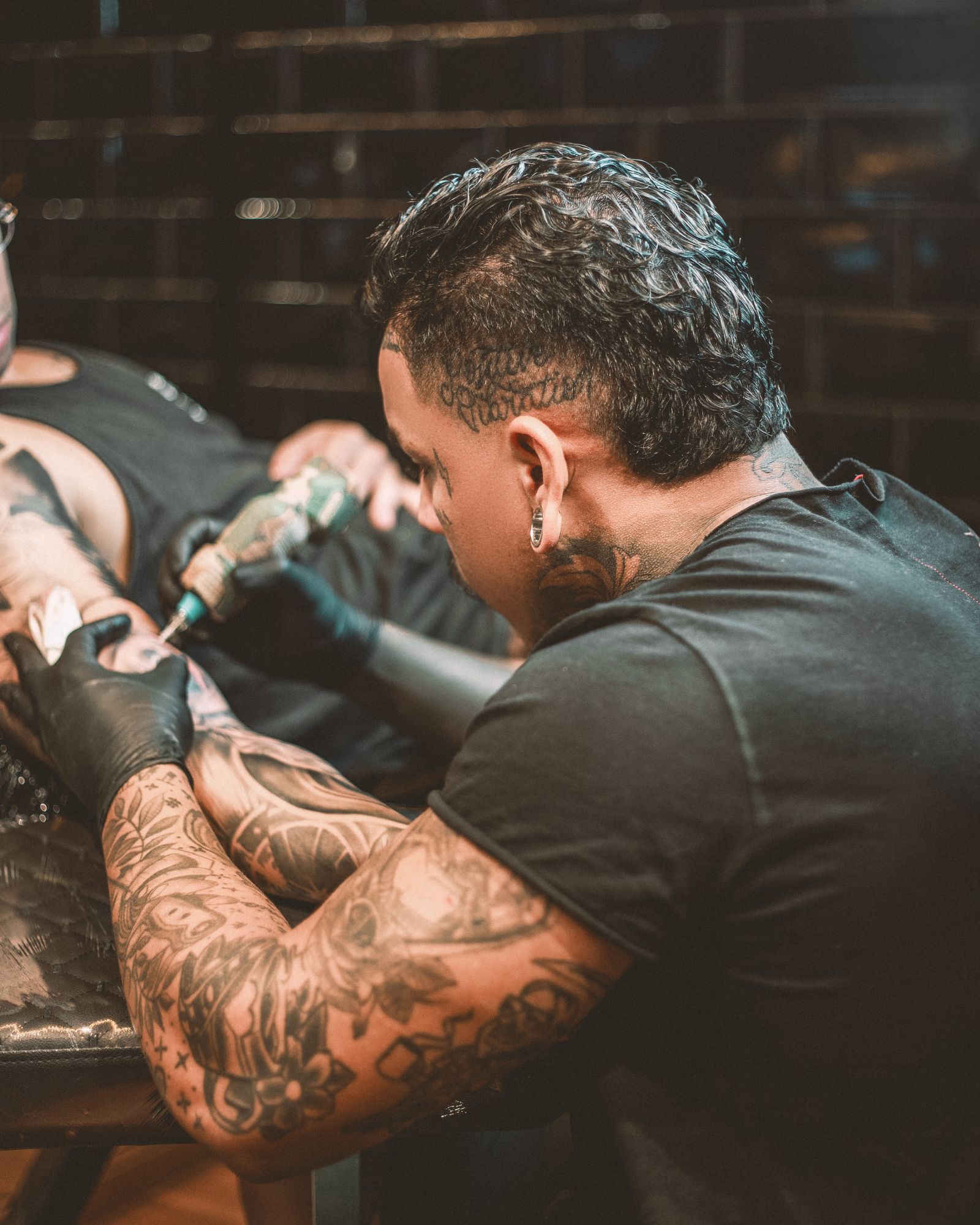
The middle of the tattoo artist consultation process is where the artist turns a client story into a tattoo plan. Many clients know the feeling they want but do not know how to describe composition, scale, line weight, contrast, color, or placement. That is normal. The artist's job is to translate without making the client feel foolish.
Ask tattoo artist consultation process questions in a sequence that mirrors how a tattoo gets built. What is the subject. Where does it live on the body. How large can it be. What style language fits the artist. What references show mood or detail. What references are only there because the client liked one small part. What budget range is realistic. What schedule pressure exists. What needs to be avoided.
- Repeat the idea back in plain language.
- Confirm placement on the actual body area.
- Name the design limits before the deposit is taken.
Repeating the idea back during the tattoo artist consultation process is not filler. It is quality control. If the client says yes, that is what I mean, the artist can move forward. If the client corrects the summary, the consult just caught a mistake before it became a drawing problem.
Budget belongs inside the tattoo artist consultation process, not as an awkward surprise after the artist has already implied that everything is possible. Clients are not always trying to underpay. Many simply do not understand how size, detail, body placement, color, and session length affect cost. A clear artist can explain the tradeoffs without turning the conversation into a sales pitch.
Editor note
Specific beats polite.
A friendly but vague consultation still fails if the artist leaves with missing placement, unclear scale, no budget boundary, and no agreement on what happens next.
The tattoo artist consultation process should end this section with a shared vocabulary. The client may still use emotional language. The artist now has practical language: upper outer arm, roughly palm sized, black and grey, soft botanical movement, no direct copy, one session estimate, deposit required before design time starts.
This is also where the tattoo artist consultation process protects the artist's style. A client may ask for a piece that technically fits the body but does not fit the artist's work. A strong consultation makes room for a respectful decline or a referral. Saying no early can be kinder than dragging a client into a design process that neither side actually wants.
Placement questions in the tattoo artist consultation process deserve special attention because they change everything after them. A design that works on the outer forearm may not work the same way on ribs, sternum, knee, throat, hand, or coverup skin. Ask the client to point to the body area, explain visibility concerns, and say whether the placement is fixed or flexible. The answer shapes size, detail, session length, price, pain expectations, and aftercare planning. Artists thinking about business tooling can also compare this with the solo artist booking flow, where cleaner intake reduces back and forth before anyone commits to a date.
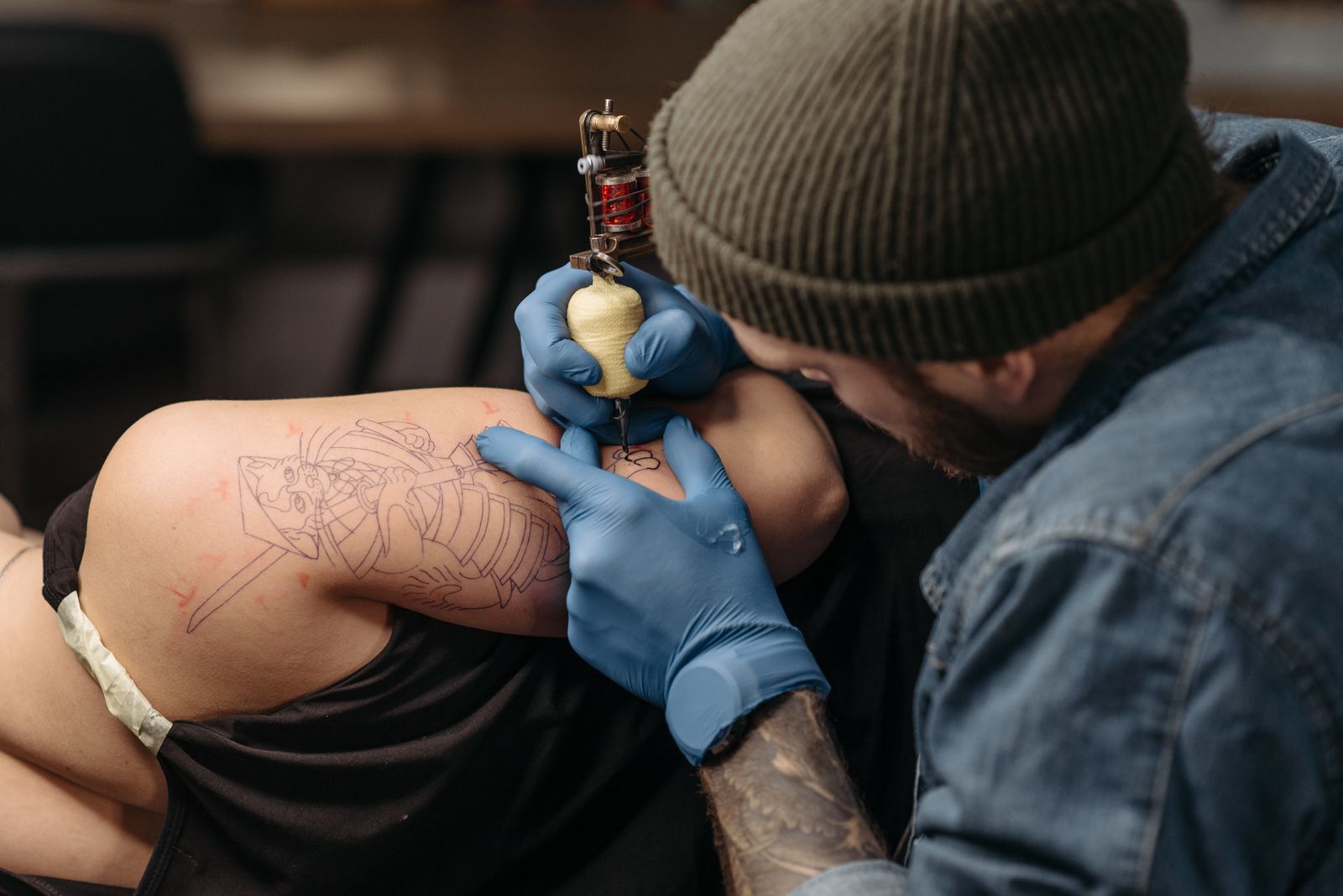
"The consult has to make the next decision obvious."Elena Marrow, shop manager
Step 03
Use references without copying
References are useful in the tattoo artist consultation process when the artist knows how to read them. They are dangerous when the consultation treats them like a menu. A client might bring one image for composition, another for mood, another for line weight, and another for the kind of flower or animal they like. The artist has to separate those reasons before design work begins.
The tattoo artist consultation process should include a simple reference review. Ask what the client likes about each image. Is it the subject, the flow, the darkness, the softness, the empty space, the placement, the color, or the feeling. Also ask what they do not like. Negative examples are often faster than positive ones because they show boundaries.
Shop note
Make originality part of the policy.
Tell clients that references guide the conversation, but the final design must be original to the artist and appropriate for the body.
This part of the tattoo artist consultation process protects the artist from accidental copying and protects the client from getting a tattoo that only worked in someone else's photo. It also makes the final design easier to defend if the client later asks why it does not match a reference exactly.
Public studio guides point in the same direction. The Apollo Tattoo Studio consultation guide explains that references help artists understand the vision while the consult still needs to cover placement, size, and expectations. Tatuat's consultation workflow also frames the consult as a translation process that turns client ideas into a workable plan.
A real tattoo artist consultation process also needs the artist's point of view. If the reference pile points toward a design that will not age well, fit the placement, hold detail, or match the artist's style, the consultation is the moment to say so. A polite no early is better than a resentful yes later.
This boundary in the tattoo artist consultation process matters for flash days too. In Bzzz.ink's guide to how to run a tattoo flash day, the client path is intentionally tighter because the design is already chosen. A custom consultation has more room, but it still needs boundaries or it becomes a loose brainstorming session with no finish line.
The artist can also use the tattoo artist consultation process to ask the client to rank references. Put the strongest one first, then explain why it wins. That small move shows whether the client cares most about subject, mood, shape, darkness, or placement. It also stops the artist from treating a pile of images as equal when only one or two actually matter.
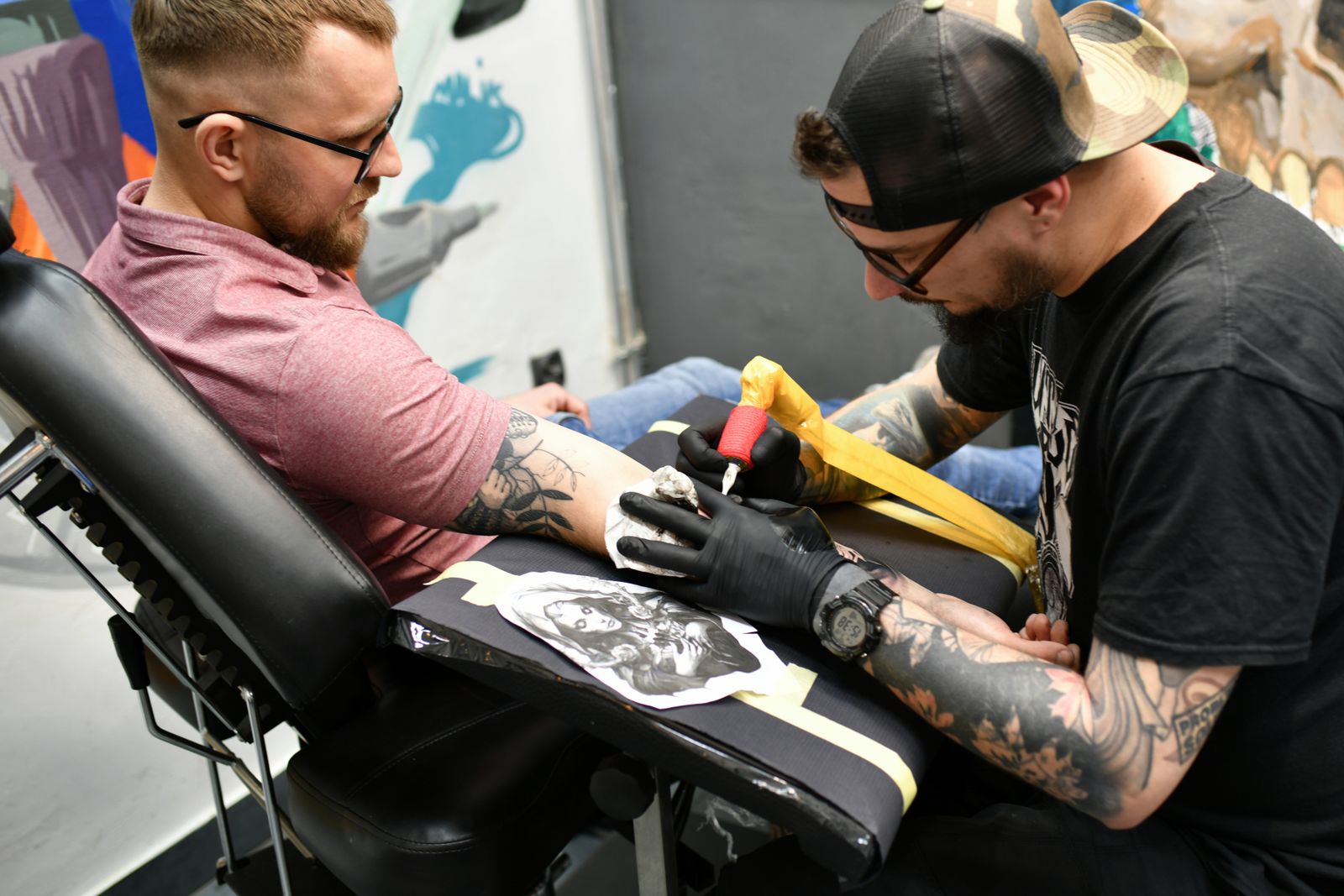
Consult map
What belongs in each stage
The table turns the tattoo artist consultation process into a repeatable process without making the artist sound scripted. Each stage should answer one practical question before the client moves forward.
| Stage | Artist goal | Client leaves with |
|---|---|---|
| Intake | Decide if the request fits the artist, style, placement, and calendar. | Clear next step or clean decline. |
| Idea | Repeat the concept back and remove vague assumptions. | A plain language design brief. |
| References | Read taste without copying another artist's work. | Shared visual direction. |
| Placement | Check body fit, visibility, movement, and skin context. | Realistic placement plan. |
| Deposit | Protect calendar time and custom drawing time. | Written booking expectation. |
Step 04
Make the deposit policy part of the conversation
Deposits should not feel like a surprise fee at the end of the tattoo artist consultation process. They are part of the tattoo artist consultation process because they define when the client is actually booked, when design time starts, what happens if the client cancels, and what changes are included.
Clients who are new to the tattoo artist consultation process often think the artist will draw several finished versions before the appointment. Some artists do show work early. Some show it on tattoo day. Some allow small changes. Some require a new appointment for major changes. None of those policies are automatically wrong, but they have to be explained before money changes hands.
Flow check
Say what the deposit does and does not cover.
Explain whether the deposit holds the appointment, starts custom drawing time, applies to the final price, and what happens if the client changes the idea.
This is also where the tattoo artist consultation process gives the front desk clean language. If the shop also sells flash or merch, the same clarity matters on the flash marketplace plan side because buyers need to understand what is included before money moves. The person answering messages after the consult may not be the artist. If the policy only lives in the artist's head, the shop will eventually give inconsistent answers.
A good tattoo artist consultation process summary says the deposit amount, appointment date, expected session length, design timing, revision boundary, cancellation policy, and what the client should do before the appointment. It should also avoid overpromising certainty where the artist still needs room to judge the body, stencil, skin, and final design.
Better process does not make the consultation cold. It makes the artist easier to trust. Clients relax when the next step is clear.
The tattoo artist consultation process also reduces preventable admin work. If the deposit rules are vague, the shop will answer the same question later in another message thread. If the rules are clear in the consult, the follow up can stay short and useful.
Artists do not need to apologize for having a policy. The problem is usually not the existence of a deposit, revision limit, or cancellation rule. The problem is when the client learns about it too late. Bring the policy into the conversation while the client still has room to decide. That makes the yes cleaner and the no less dramatic.
Video
Watch a tattoo consultation reference
This video module gives this tattoo artist consultation process article a visual pause and points readers toward a real consultation reference. The article still has to do the work in text, but video helps clients and newer shop staff understand how expectations get explained in plain language.
 Watch on YouTube
Step 05
Send the summary before the drawing starts
The follow up is where many tattoo artist consultation process systems fall apart. The artist may have understood the client in the room, but two weeks later the notes are scattered across memory, messages, a calendar entry, and maybe one photo buried in a thread.
The tattoo artist consultation process should end with a written summary. Include the subject, placement, rough size, color direction, reference notes, budget or estimate range, session length, deposit status, appointment date if booked, design boundaries, and anything the client needs to do before the appointment.
Shop note
The follow up is part of the consult.
If the summary is vague, the consult is not finished. Good notes protect the artist, the client, and the front desk.
The tattoo artist consultation process summary also helps if the client comes back months later. Shops lose time when every answer depends on a memory test. Written notes turn the consultation into a usable record.
Good notes should be plain. Do not write a novel. Do not bury the deposit terms. Do not leave the client wondering whether the appointment is confirmed. The summary should let the client read it once and understand what they approved, what happens next, and what would count as a major change.
For Bzzz.ink readers, the larger point is simple: the tattoo artist consultation process is not just a sales step. It is a creative operations step. It protects the tattoo before the needle ever touches skin.
When the system works, the artist sits down to draw with fewer unknowns. A shop that handles deposits, requests, and client notes through one artist business link has less cleanup to do after the conversation. The client arrives with fewer surprises. The front desk has a record it can actually use. The appointment starts from shared decisions instead of scattered memories. That is the difference between a consultation that felt good in the moment and a consultation that still helps two weeks later.
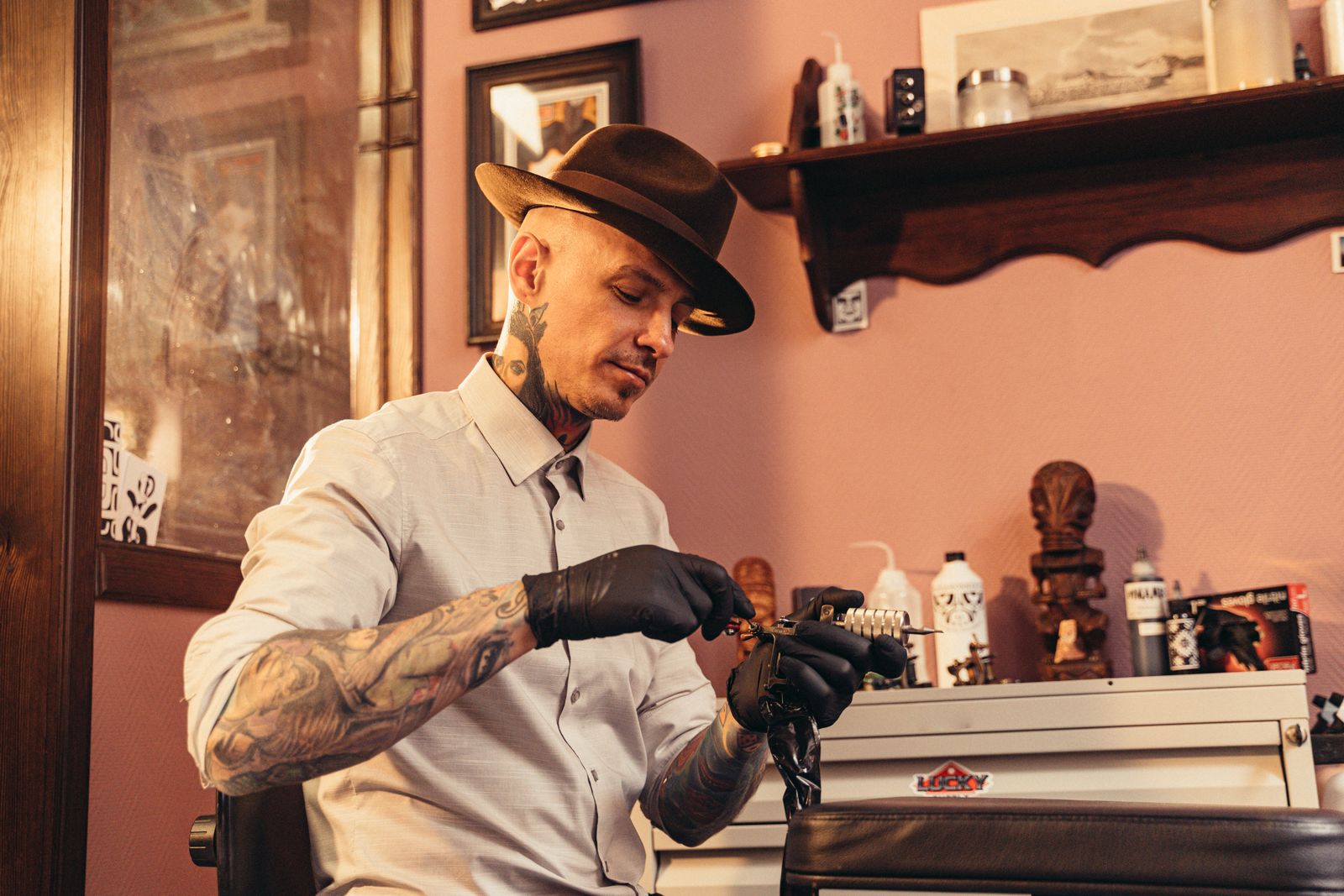
Final pass
Final tattoo artist consultation process checklist
The checklist is the final compression of the article. By the time the reader reaches it, they should understand why each item matters and how the consultation protects the tattoo, the calendar, and the client relationship.
Sources
Sources and notes
Public safety context comes from the FDA tattoo safety page and MedlinePlus body art overview. Studio process examples come from public tattoo consultation guides and booking policies. Local law, consent, and health rules vary, so artists should follow local requirements, licensing rules, insurance requirements, and studio policy.
Used for ink safety and client risk context.
Used for basic health context and client preparation.
Used for consultation stage comparison.
Used for client preparation and reference handling context.
FAQ
Quick answers
What should a tattoo consultation include?
A consultation should include idea, placement, size, style, references, budget, timing, skin context, deposit rules, design boundaries, and a written follow up.
How long should a consultation take?
Simple pieces may take a short consult. Coverups, sleeves, large custom work, and complicated placement usually need more time.
Should artists charge for consultations?
Some do and some do not. The important part is that the policy is clear before the client expects design labor.
Should clients see the design before tattoo day?
That depends on artist and shop policy. The consultation should explain when design work begins and what revision process is included.
What makes a consultation fail?
A consultation fails when the artist leaves with guesses instead of decisions. Missing placement, vague references, hidden budget issues, and no written follow up are common causes.